Timeless Charm: Using Vintage Daisy Floral Junk Journal Pages
There's a certain magic in the way aged paper feels. It carries stories, whispers of the past, and a tangible texture that digital screens simply cannot replicate. For designers, crafters, and content creators seeking to inject that authentic, nostalgic warmth into their projects, the Vintage Daisy Floral Junk Journal Pages collection offers a beautifully curated solution. This isn't just another set of digital papers; it's a toolkit for building atmosphere, evoking emotion, and creating deeply personal, aesthetically cohesive work.
The Visual Language of a Well-Loved Journal
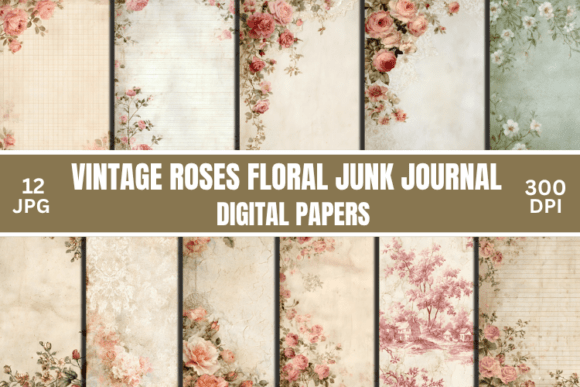
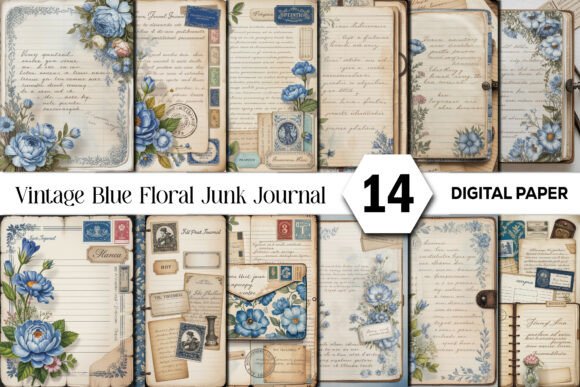
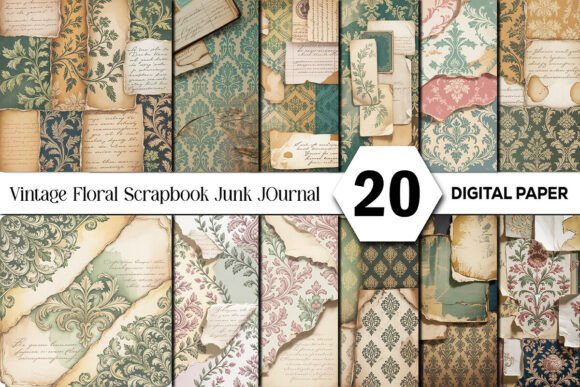
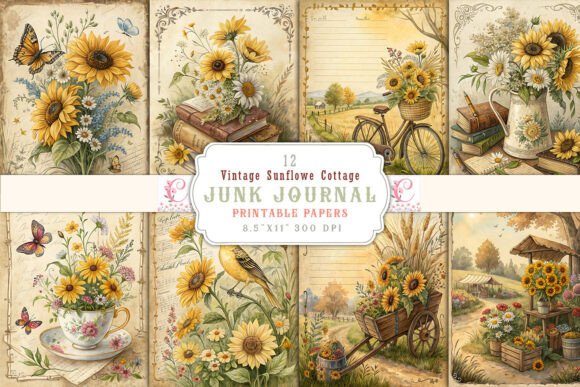
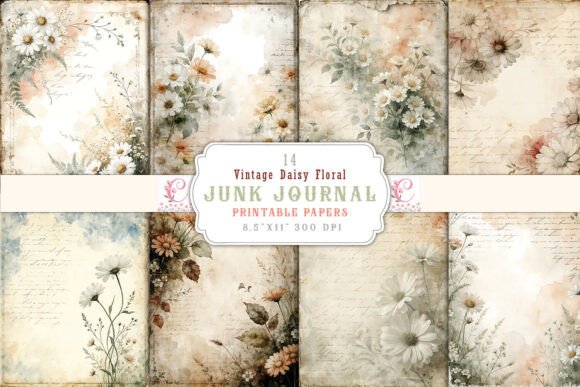
At its core, this collection is defined by its gentle, organic aesthetic. The designs feature soft, watercolor-style daisies, subtle botanical sketches, and delicate floral motifs layered over backgrounds that mimic the look of aged parchment, tea-stained paper, and vintage book pages. The color palette is intentionally muted and earthy—think soft creams, faded olives, dusty pinks, and gentle sepia tones. This creates a sense of calm, nostalgia, and handcrafted authenticity. The personality of these pages is one of quiet elegance and timeless simplicity, making them incredibly versatile.
The appeal lies in their ability to serve as a foundational layer. They provide visual interest without overwhelming a composition, acting as the perfect "canvas" upon which you can build more complex designs. The high-resolution 300 DPI files ensure crisp detail whether you're printing at full size or zooming in for digital collage work. The 8.5 x 11 inch dimensions are standard for journaling, making them immediately practical for physical projects.
Practical Applications: Beyond the Journal Page
While the name suggests junk journaling, the utility of these Vintage Daisy Floral Junk Journal Pages extends far into professional and commercial creative fields. Understanding where and how to deploy them can significantly elevate your work.
For Brand Identity & Marketing
Imagine a boutique bakery, a herbal skincare line, or a wedding photographer. These pages can be instrumental in developing a cohesive brand identity. Use them as textured backgrounds for social media graphics, creating an instant vintage vibe for Instagram stories or Pinterest pins. They work beautifully as subtle layers in packaging design—think box liners, tissue paper patterns, or the background for product labels. For editorial design, they can set the tone for magazine layouts, blog headers, or ebook covers that aim for an artisanal, handmade feel.
For Digital and Print Creators
Digital product creators will find immense value here. These pages are ideal for designing printable inserts for planners, stickers, or decorative elements for digital notebooks in apps like GoodNotes. Web designers can use them to create unique hero section backgrounds or subtle textured overlays that add depth and character to a site. For social media graphics, they provide a consistent, aesthetically pleasing foundation that can help a feed look curated and intentional.
For the Hands-On Crafter
This is where the collection truly shines for hobbyists and artists. The files are perfect for:
- Junk journal page backgrounds & layering: Create rich, multi-layered pages with depth.
- Vintage-style scrapbooking & collage projects: Serve as the base for memory-keeping layouts.
- Ephemera-style inserts & decorative pages: Cut out motifs to use as standalone elements.
- Handmade cards, tags & paper crafts: Add instant vintage charm to any paper project.
- Mixed media & DIY creative projects: Combine with paint, ink, and other materials for mixed-media art.
Integrating These Pages into Your Design Workflow
Simply having beautiful assets isn't enough; knowing how to use them effectively is key. Here’s some practical guidance for incorporating the Vintage Daisy Floral Junk Journal Pages into your creative process.
Evaluate the Project Fit: These pages have a distinct, soft, vintage character. They will enhance projects aiming for a nostalgic, romantic, rustic, or feminine feel. They might clash with ultra-modern, minimalist, or high-tech aesthetics. Consider the mood you want to set. If your project calls for clean lines and stark contrast, these may not be the right primary asset, but could work as a subtle texture.
Master Font Pairing: The typography you pair with these backgrounds is critical. To maintain readability and harmony, avoid overly ornate or complex display fonts for body text. Instead, pair the vintage floral patterns with:
- A clean sans serif font for modern contrast and excellent readability.
- A simple, sturdy serif font to complement the classic feel without adding clutter.
- A restrained script font or handwritten font for headlines or accents, ensuring it remains legible against the textured background.
The goal is to let the vintage paper be the star, with your text serving as a clear, supporting actor.
Consider Color and Layering: The muted palette of the pages means they can absorb a lot. Don't be afraid to layer other elements—vintage photographs, lace textures, botanical line art—on top. Use blending modes like "Multiply" or "Overlay" in design software to integrate elements seamlessly. For text, use darker, high-contrast colors like charcoal, deep brown, or forest green to ensure it pops against the often light and busy backgrounds.
Think About Licensing and Delivery: This is a digital download. Before purchasing, confirm you have the software to handle ZIP files. Once unzipped, you have 14 high-quality JPG files ready for use. For commercial projects, always review the included license. Typically, such assets are licensed for both personal and commercial use, but it's your responsibility to understand the terms—especially if you plan to sell the final printed product or include the files in a digital template for resale.
Building a Cohesive Aesthetic
The true power of a collection like the Vintage Daisy Floral Junk Journal Pages is in its ability to foster consistency. Using these pages across different touchpoints—a website background, social media posts, product packaging, and printed materials—creates a unified visual language. This strengthens brand recognition and tells a coherent story. It moves your project from looking like a collection of disparate parts to feeling like a thoughtfully curated experience.
Ultimately, these pages are more than just pretty patterns. They are design assets that carry emotional weight. They can soften a corporate brand, personalize a digital product, or complete a cherished scrapbook. By understanding their visual personality and applying them with intention, you can harness their timeless charm to create work that feels authentic, layered, and deeply resonant.